
Crown Cleaning
Dead, dying, diseased, and crossing limbs removed to cut failure risk and improve the tree's overall health.
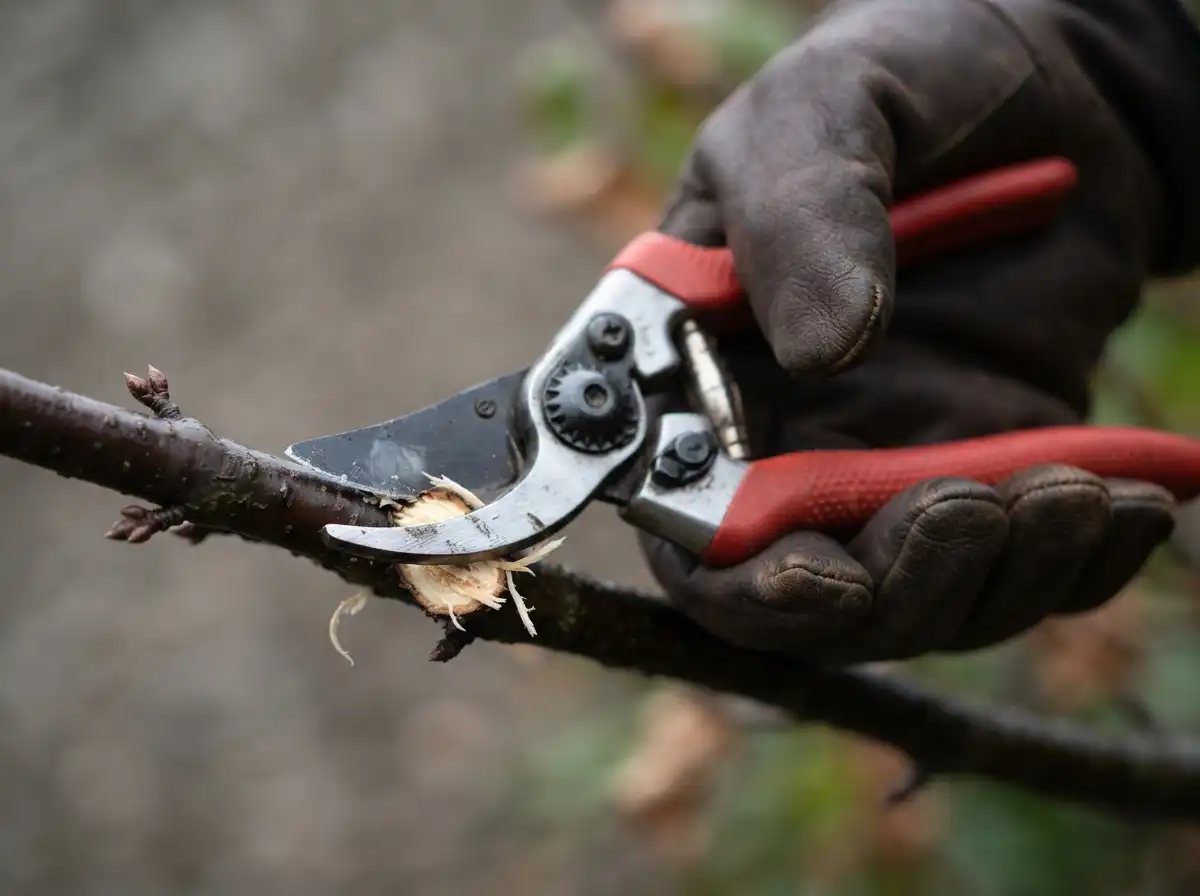
A tree does not heal a wound — it seals it. That is why where a cut is made matters as much as whether it is made at all.
Our arborists prune to ANSI A300, the industry standard, cutting at the branch collar so the tree can compartmentalise the wound and put its energy into new growth instead of defending an open one. Stub cuts and flush cuts do the opposite, and you live with the result for years.
We never top a tree. Topping triggers weak, fast-growing sprouts that are far more likely to fail in a storm than the limbs they replaced. Instead we thin, raise, and reduce selectively — opening the canopy to light and wind, clearing structures and walkways, and leaving a shape that still looks like the tree you planted.
We agree the objective with you before we climb — clearance, health, light, or storm resilience — and prune to that objective rather than to a fixed amount.
Dead, dying, diseased, and crossing limbs removed to cut failure risk and improve the tree's overall health.
Selective removal of interior branches to let light and wind through the canopy without changing the tree's natural outline.
Lower limbs lifted to clear driveways, walkways, rooflines, and sightlines while keeping the trunk properly supported.
Careful size reduction back to lateral branches — the correct alternative to topping when a tree has outgrown its space.
Weak unions cabled or removed before winter, so the limbs most likely to fail come down on our terms rather than the weather's.
Early structural cuts that build one strong leader and well-spaced scaffolds — the cheapest tree work you will ever buy.
We prune to ANSI A300, never top a tree, and place every cut where the wound can seal itself.
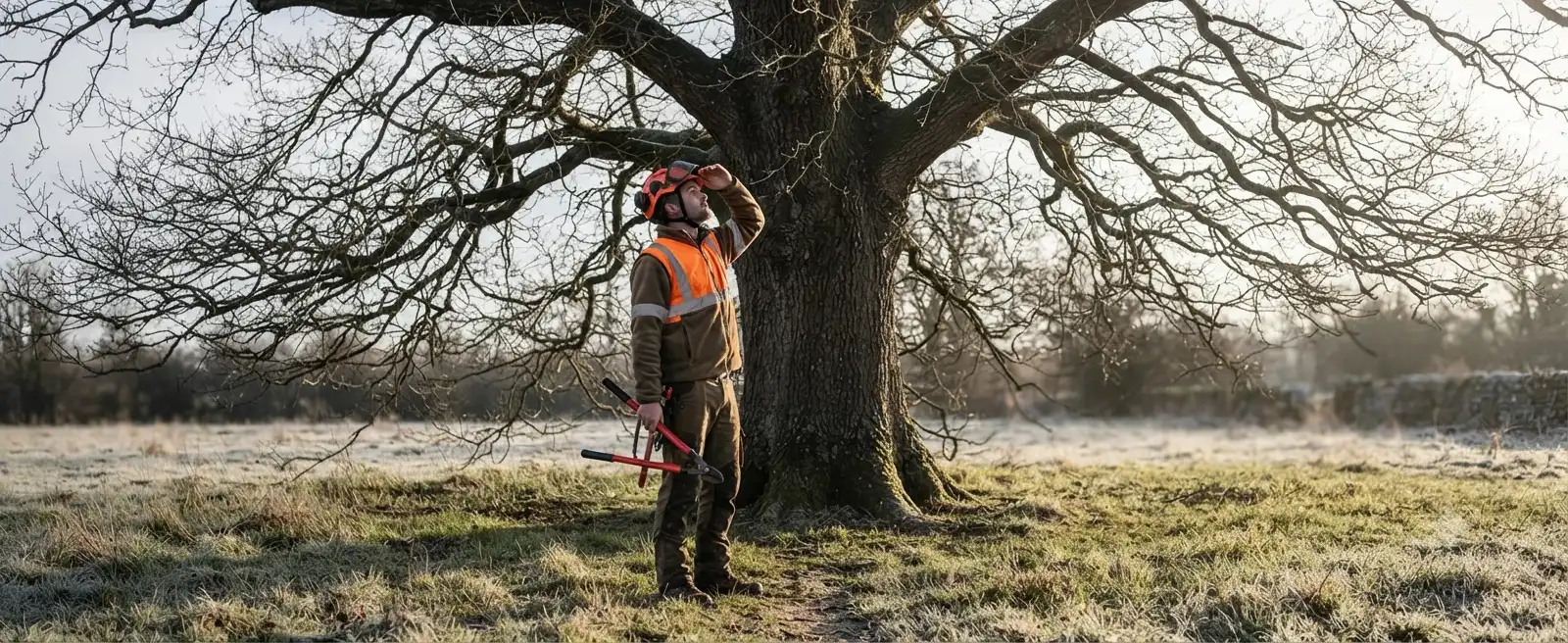
We assess species, age, structure, and defects, then agree the pruning objective with you before cutting.
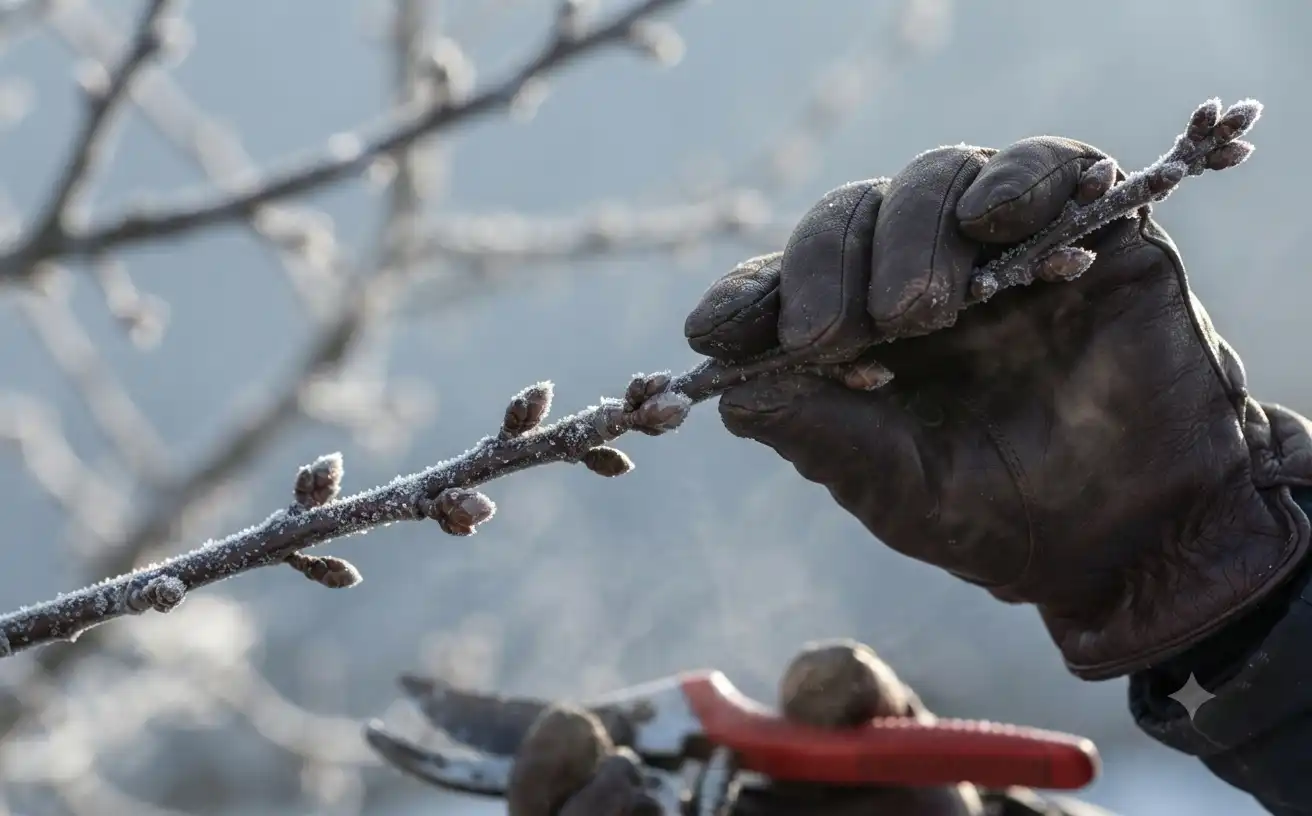
Some species bleed in spring; some invite pests if cut in summer. We tell you the right window for yours.
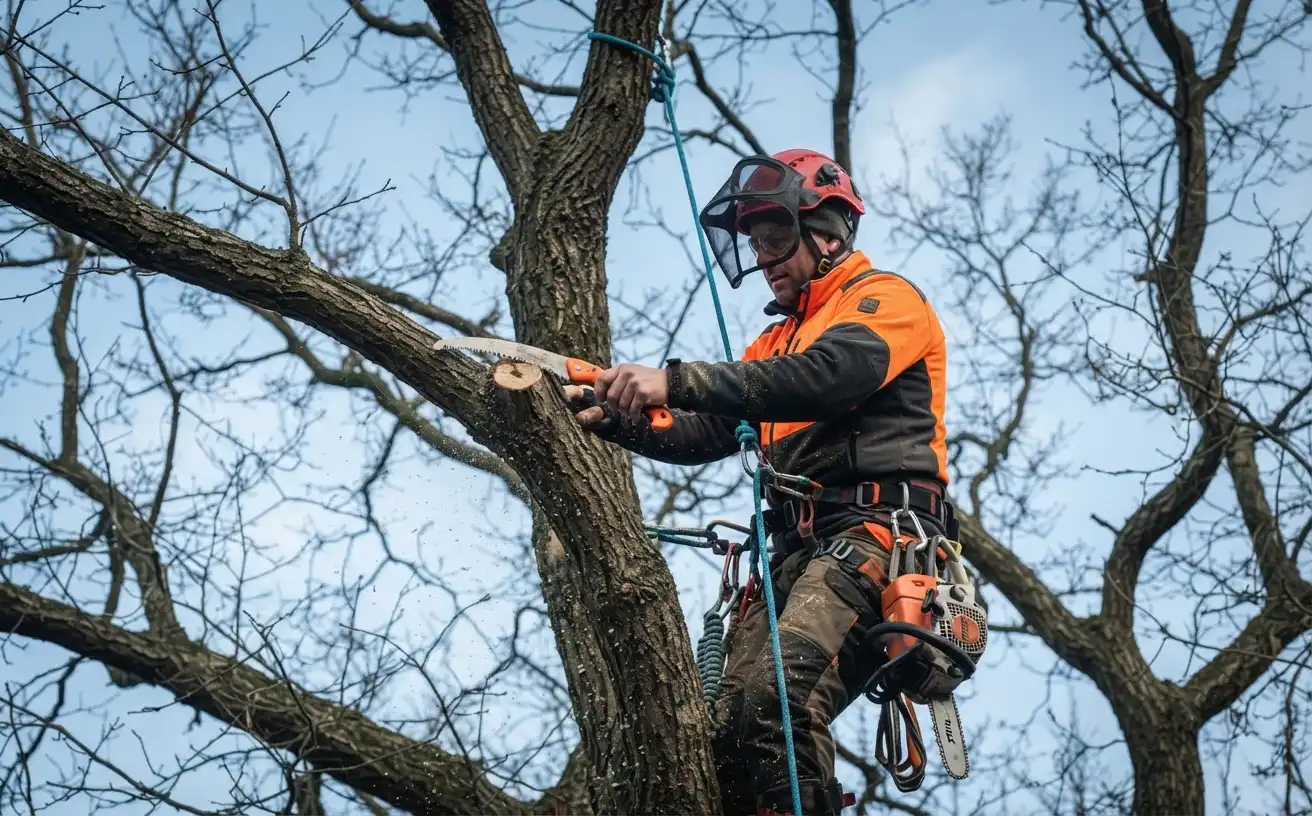
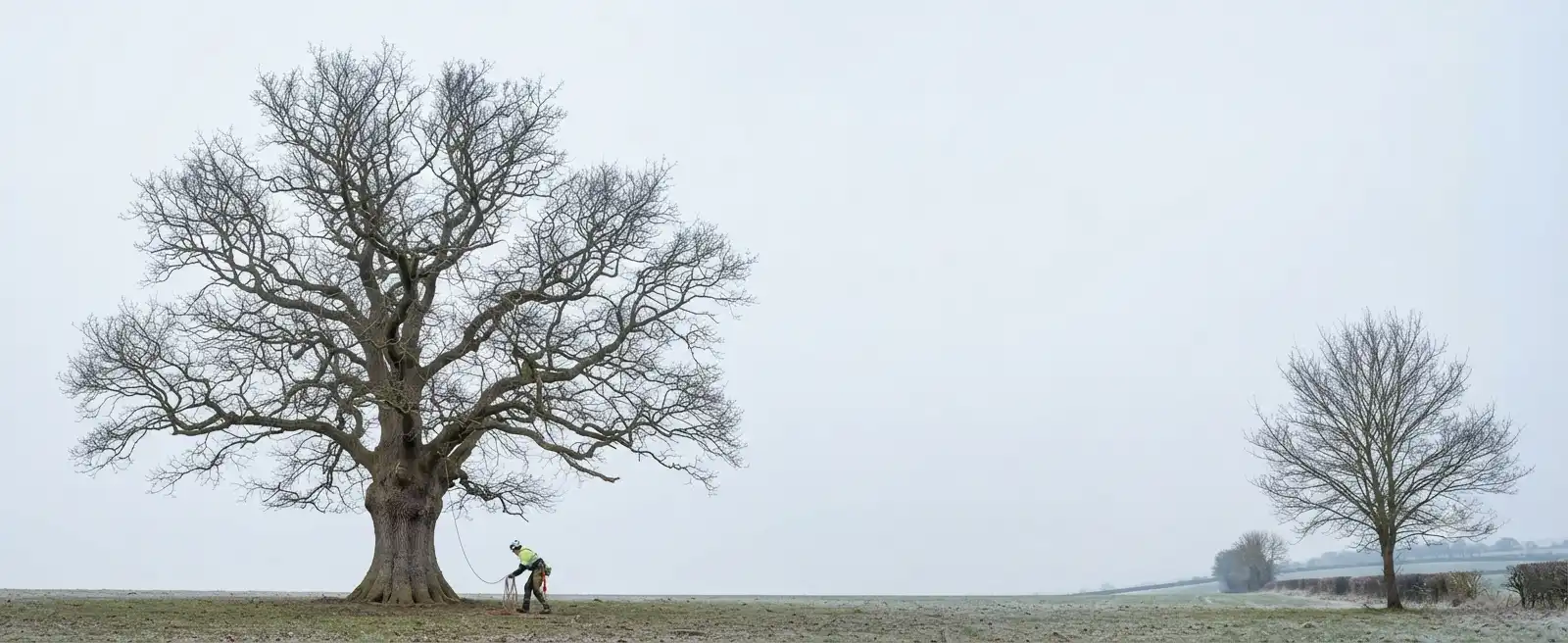
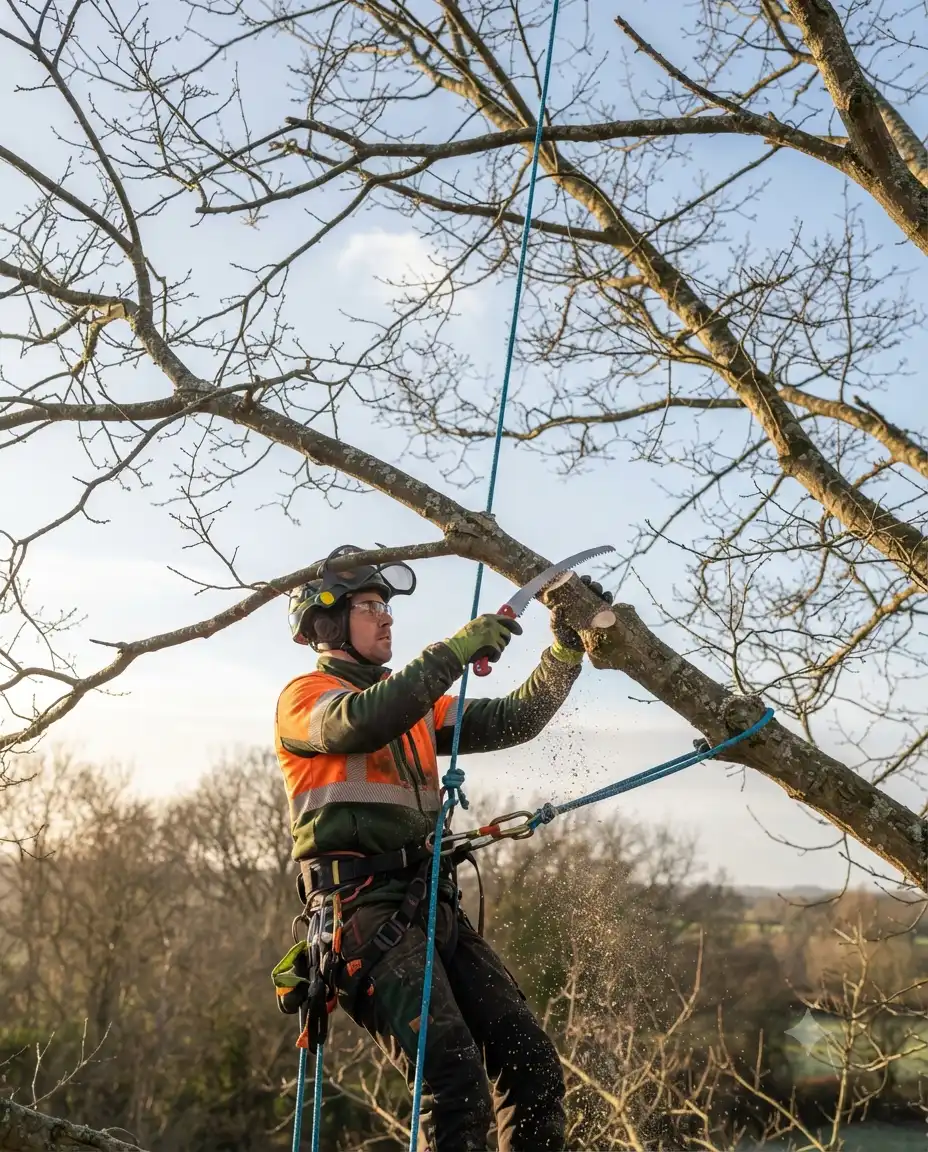
Climbers work from ropes and saddles where a bucket cannot reach, placing every cut at the branch collar.
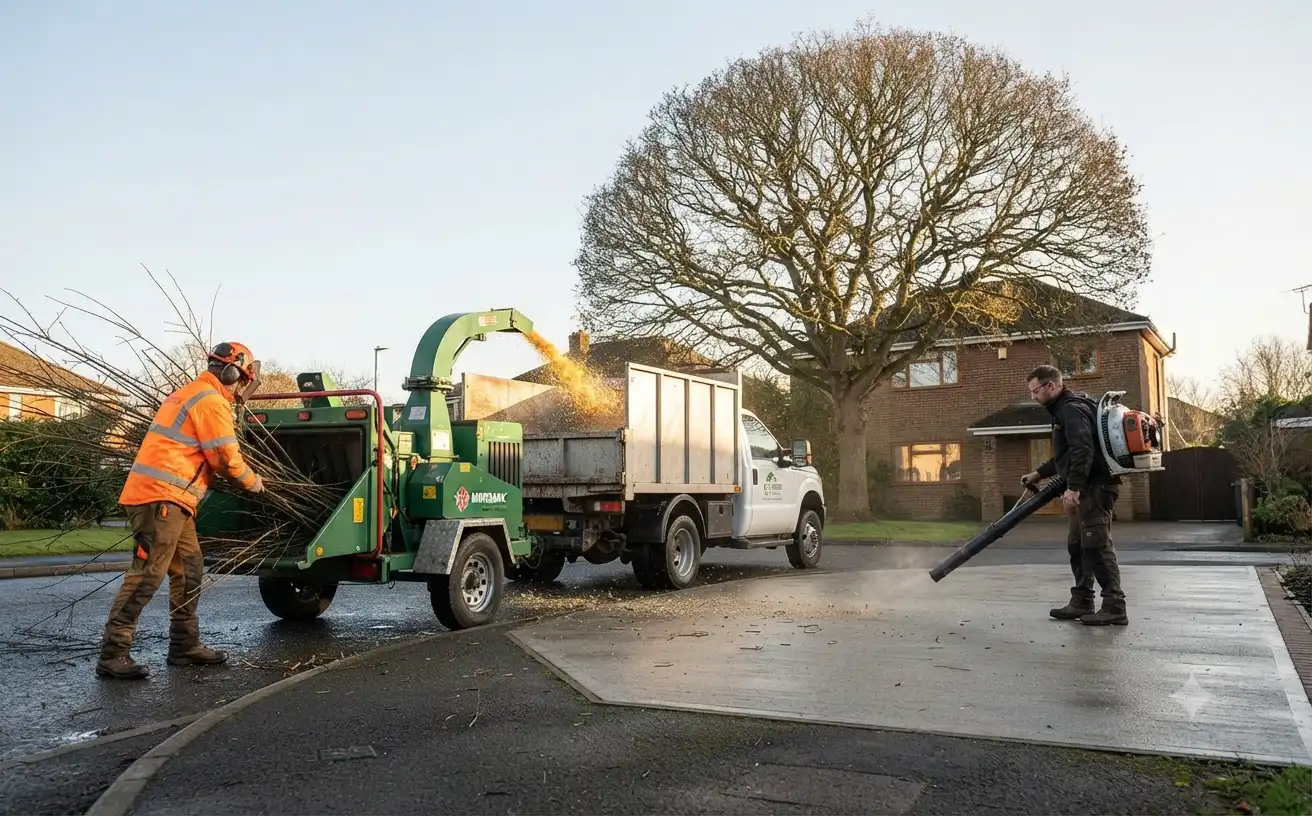
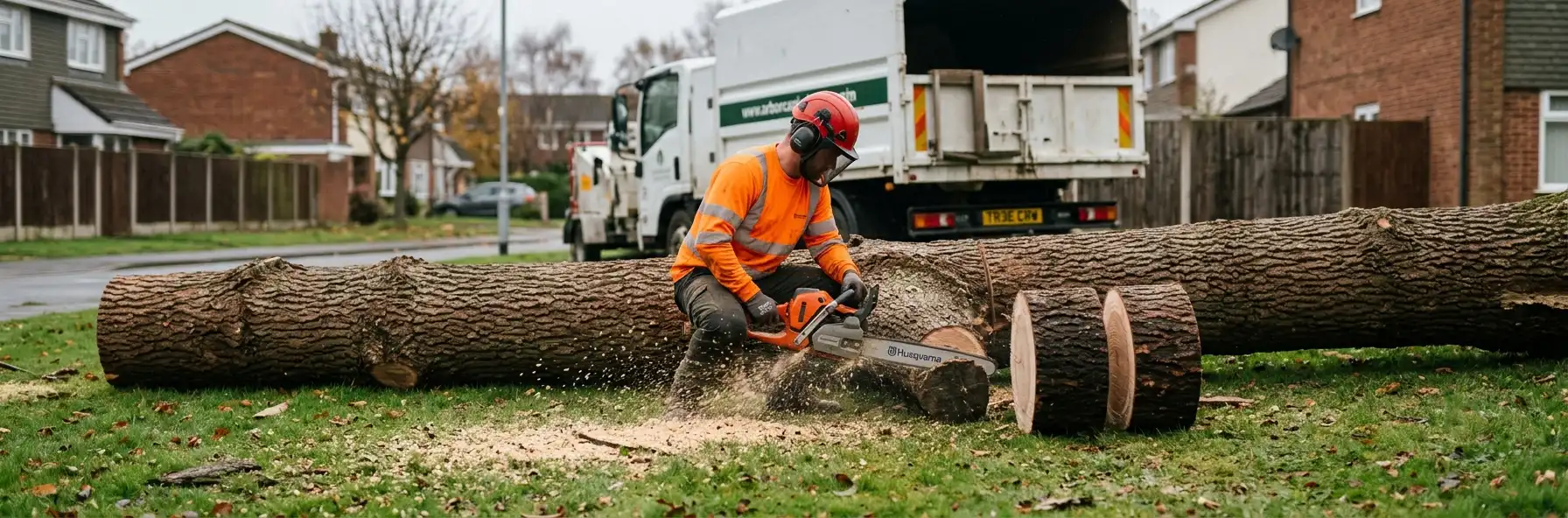
Brush chipped on site and the ground blown clear — driveways and lawns left exactly as we found them.
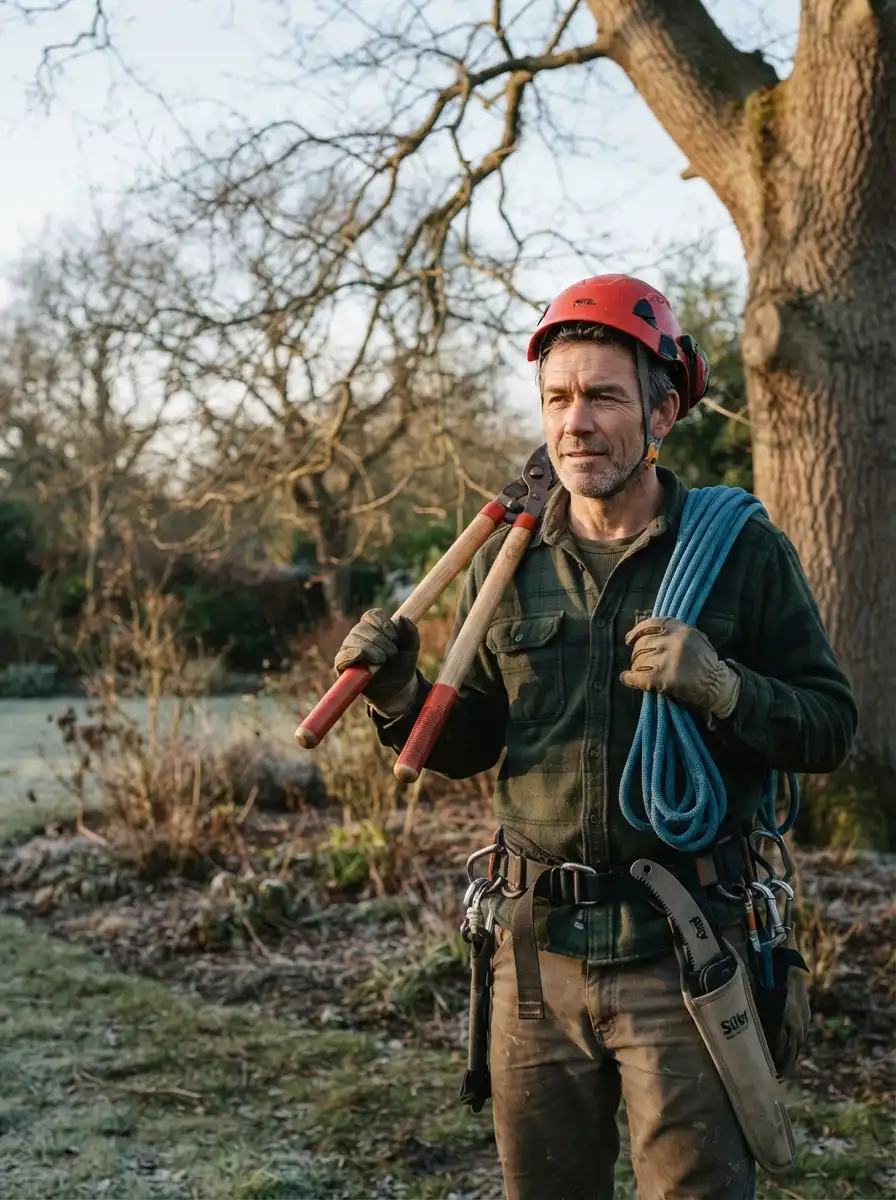
Every crew works to ANSI A300, the industry benchmark for pruning practice.
Two shortcuts that look tidy for a season and weaken a tree for life. We will not do either.
Oaks, elms, maples, and fruit trees each have a right and a wrong month. We schedule accordingly.
Back gardens, tight lots, and trees over rooflines get proper rope access instead of a compromise.
You will know what we cut, why we cut it, and when the tree should next be looked at.
Pruning should look like nothing happened, only healthier. Here is what that means in practice.
Most mature shade trees benefit from a structural prune every three to five years, while young trees respond well to lighter work every two. Fruit trees and fast-growing species such as willow or silver maple usually need more frequent attention.
Late winter through early spring, before new growth begins, suits the majority of species — the tree is dormant, the structure is visible, and wounds seal quickly. Dead or hazardous limbs are the exception and should come out whenever they are spotted.
Correct pruning does not. Over-pruning does. We remove no more than a quarter of a healthy canopy in a season and place every cut where the tree can seal it, so it recovers instead of responding with stress growth.
Yes. Clearance pruning over roofs, driveways, and boundary lines is routine work for us. Where limbs cross a property line we will advise on the usual courtesies before we start.
Book a free visit and an arborist will tell you what should be pruned, what should be left alone, and the best month to do it.