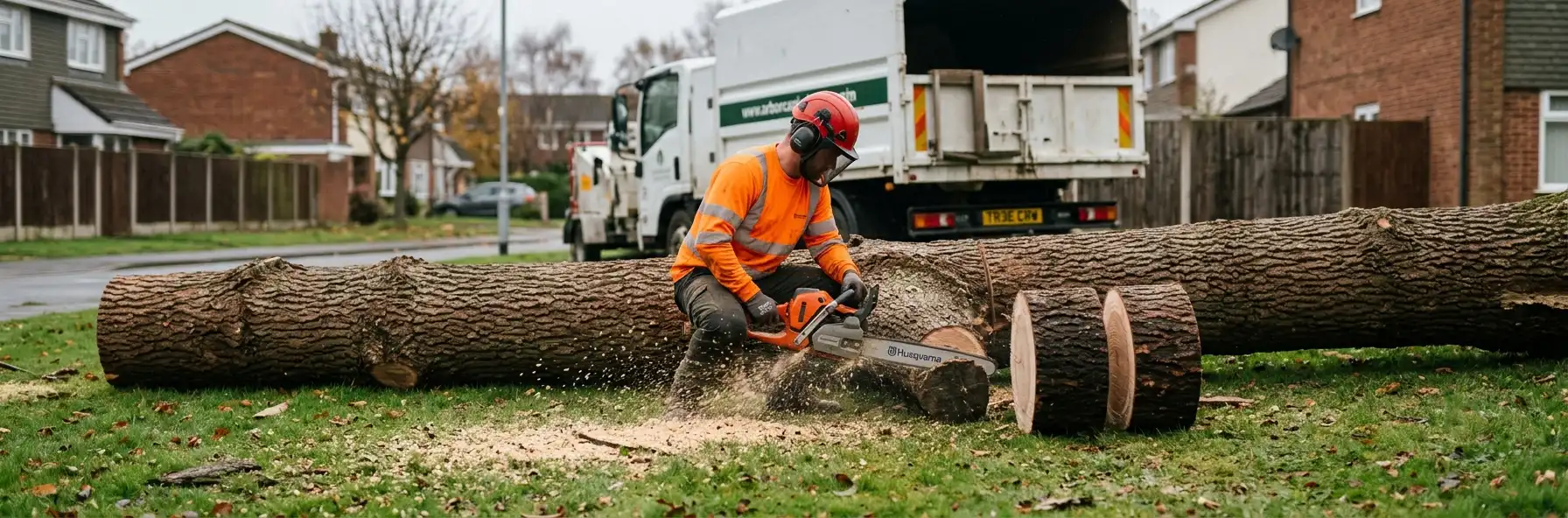


Full Root Plate Excavation
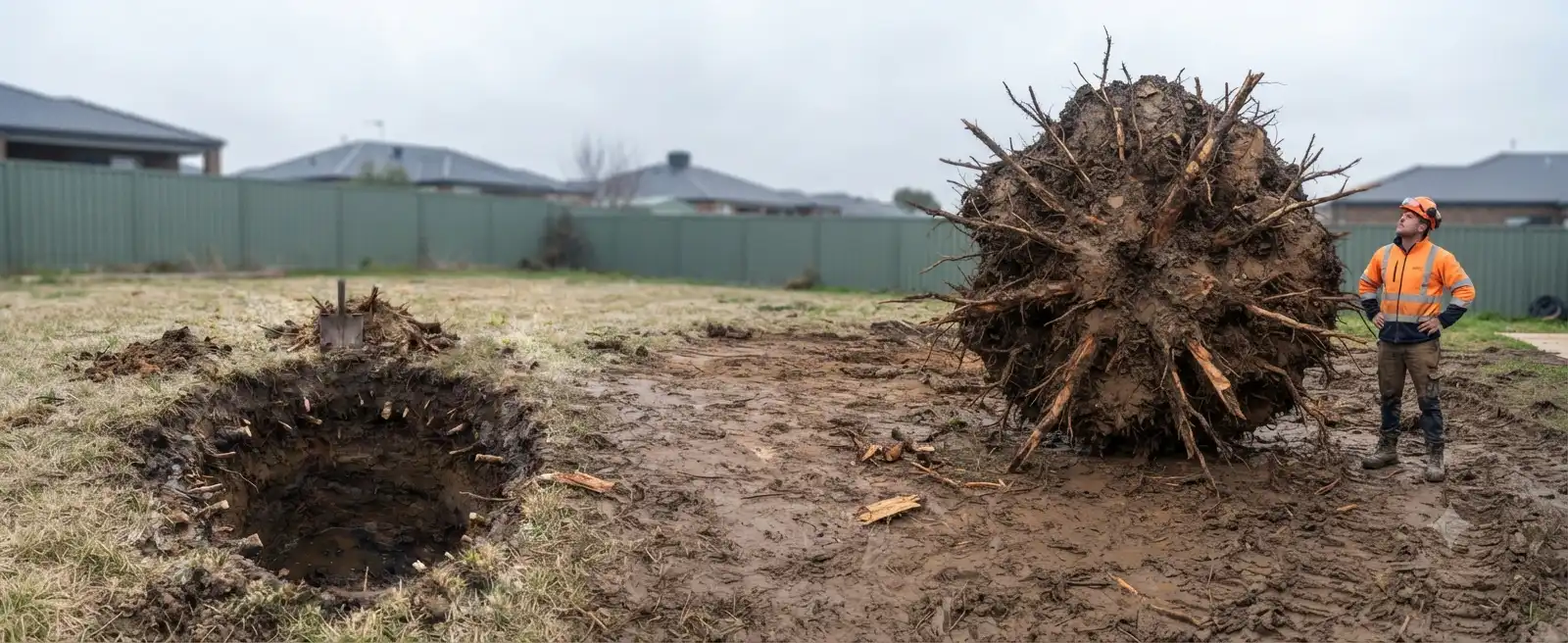
The stump and its main structural roots dug out whole, so nothing is left in the ground to rot, settle, or resprout.
Grinding is the right answer most of the time. It is fast, tidy, and cheap. But a grinder only chews the wood it can reach, and it leaves the root plate sitting in the ground.
That is fine under a lawn. It is not fine under a foundation, a driveway, a pool, or a utility trench. If something is going to be built where the tree stood, the roots have to physically leave the site — and that means excavation, not grinding.
There are stumps a grinder simply cannot take, too. Old trunks with stone and fencing wire grown into them will destroy a cutting wheel. Very large hardwood plates sit deeper than a machine can reach. Rocky or heavily compacted ground stops a grinder dead. In all of those cases the job stops being mechanical and becomes an excavation.
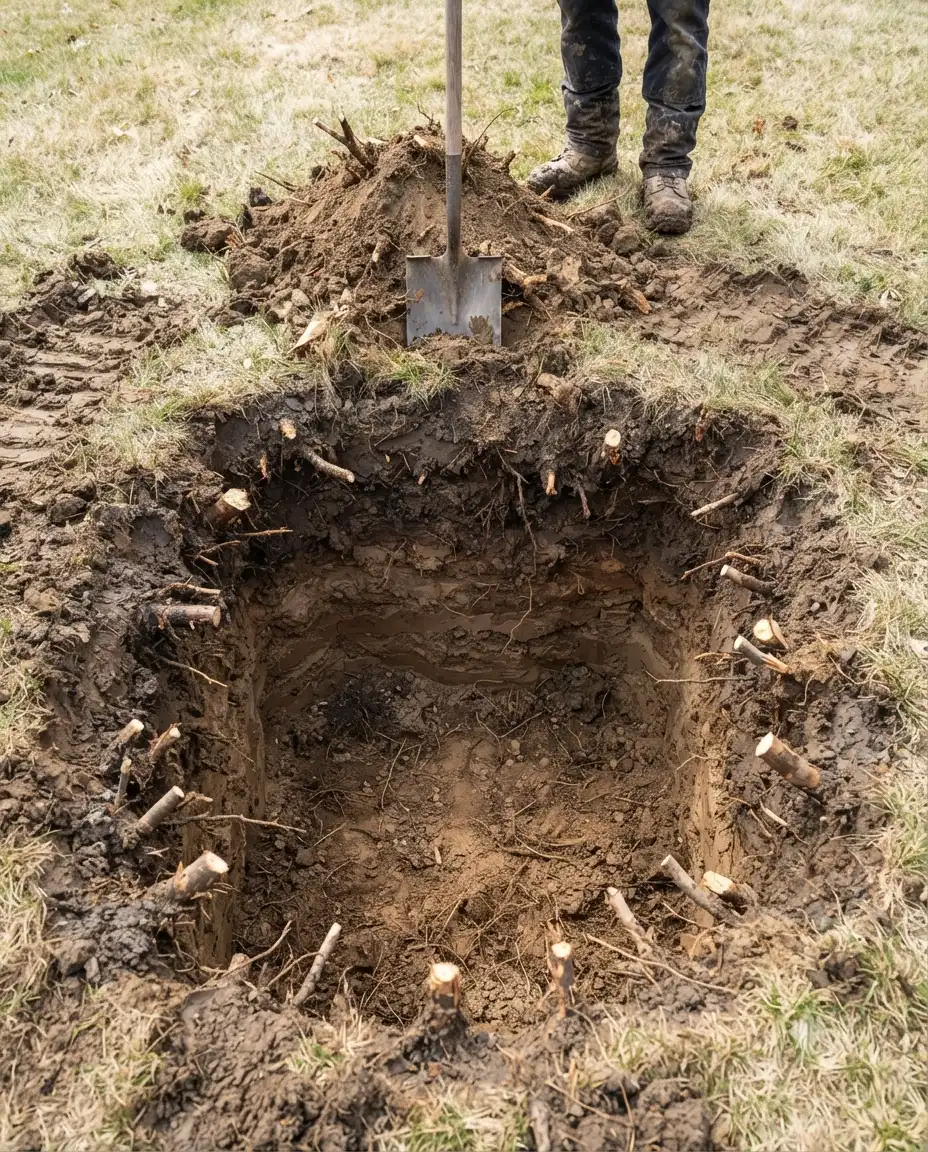
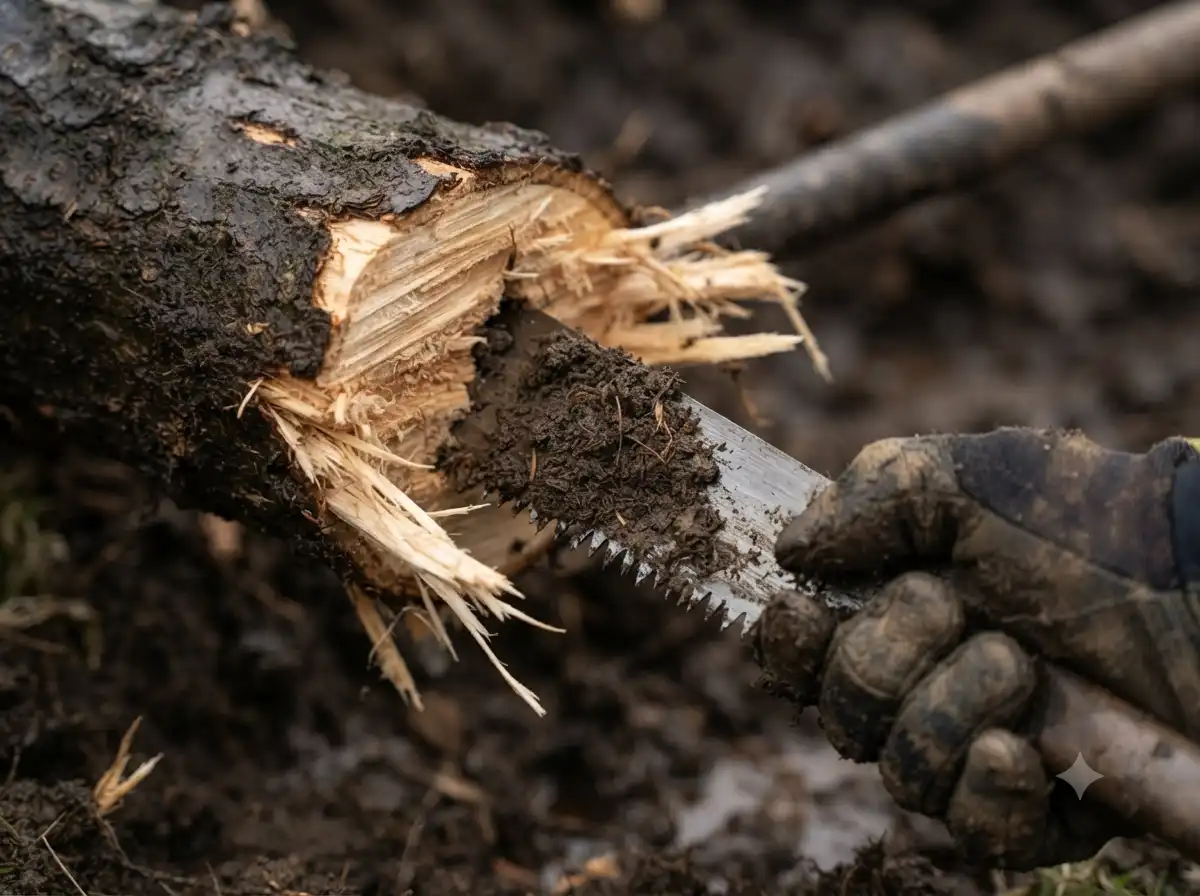
So we bring a dozer or a tracked excavator to lift the plate where there is room to swing one, and where there is not — beside a foundation, over a gas line, inside a fenced back garden — the crew goes in with shovels, mattocks, and root saws and takes it out by hand. Slower, but it is the only way to get everything out without breaking something that matters.
Every excavation is quoted after we have seen the access, because the difference between a dozer job and a shovel job is most of the price.
The stump and its main structural roots dug out whole, so nothing is left in the ground to rot, settle, or resprout.
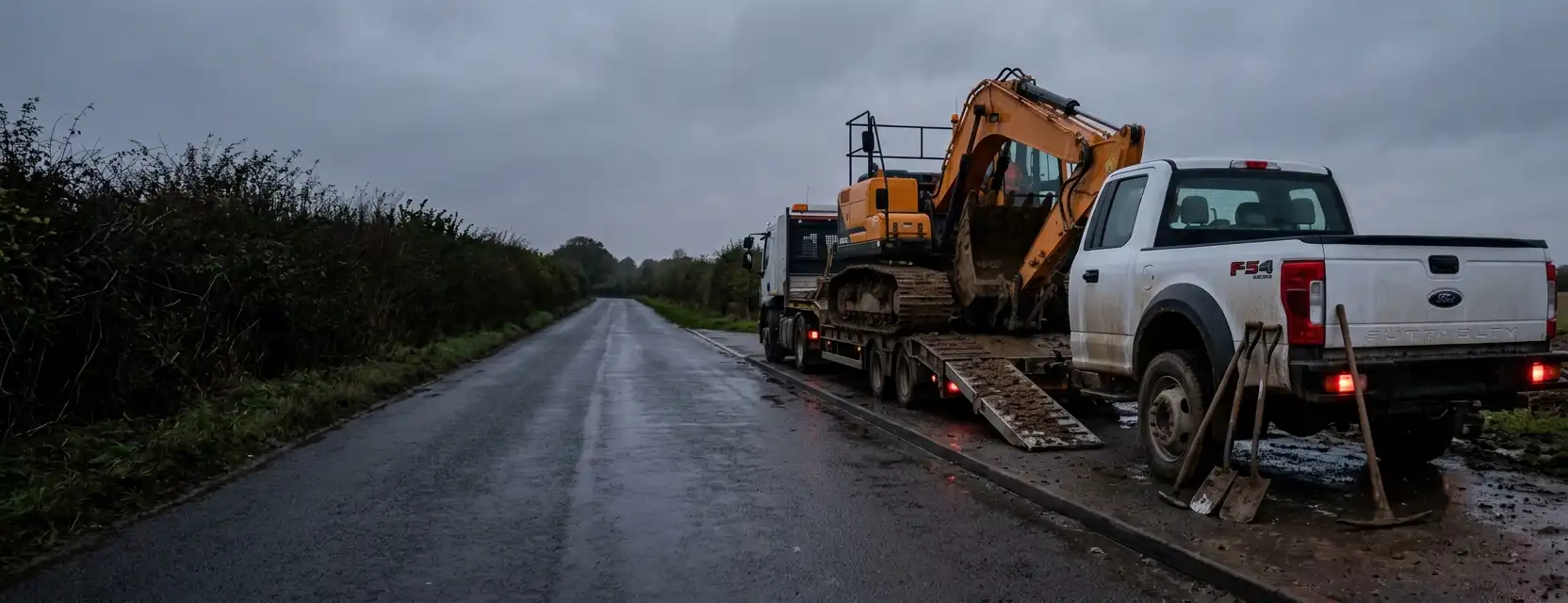
Where access allows, a tracked machine lifts the plate out in one piece — far quicker and far cheaper than digging it.
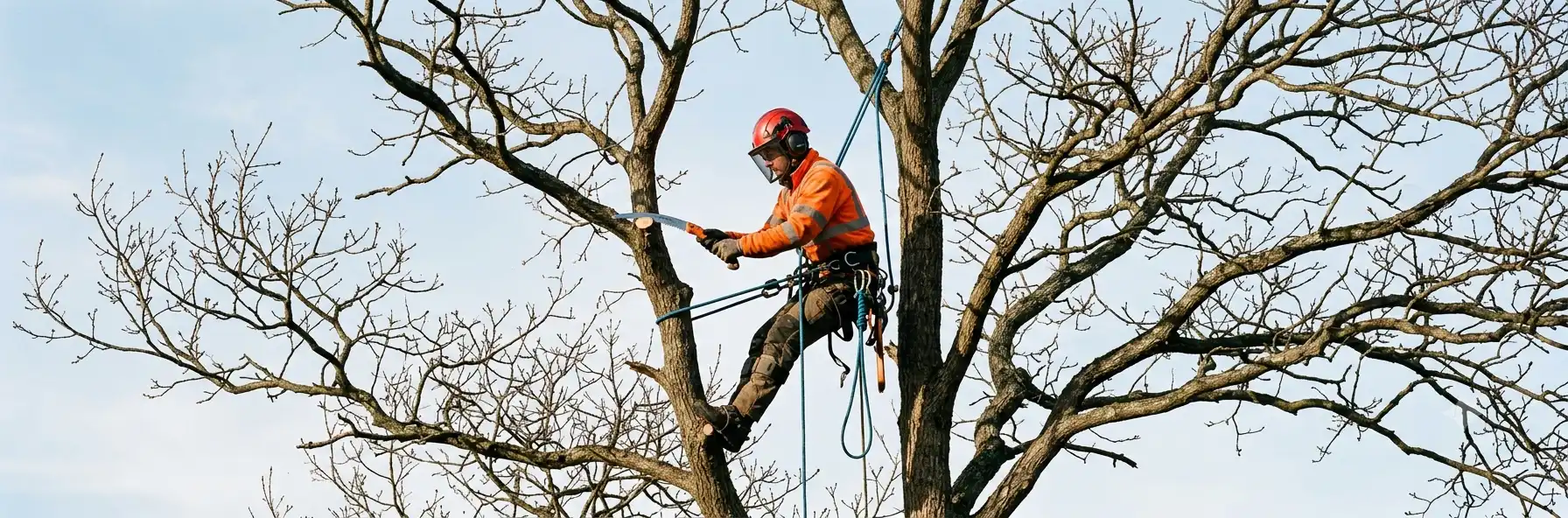
Tight gardens, foundations, and anywhere near a live service get shovels and mattocks instead of a bucket.
Lateral roots severed cleanly at the trench line so the plate lifts free without dragging up half the lawn with it.
The void filled in layers and compacted, not just tipped full, so the ground does not sink six months later.
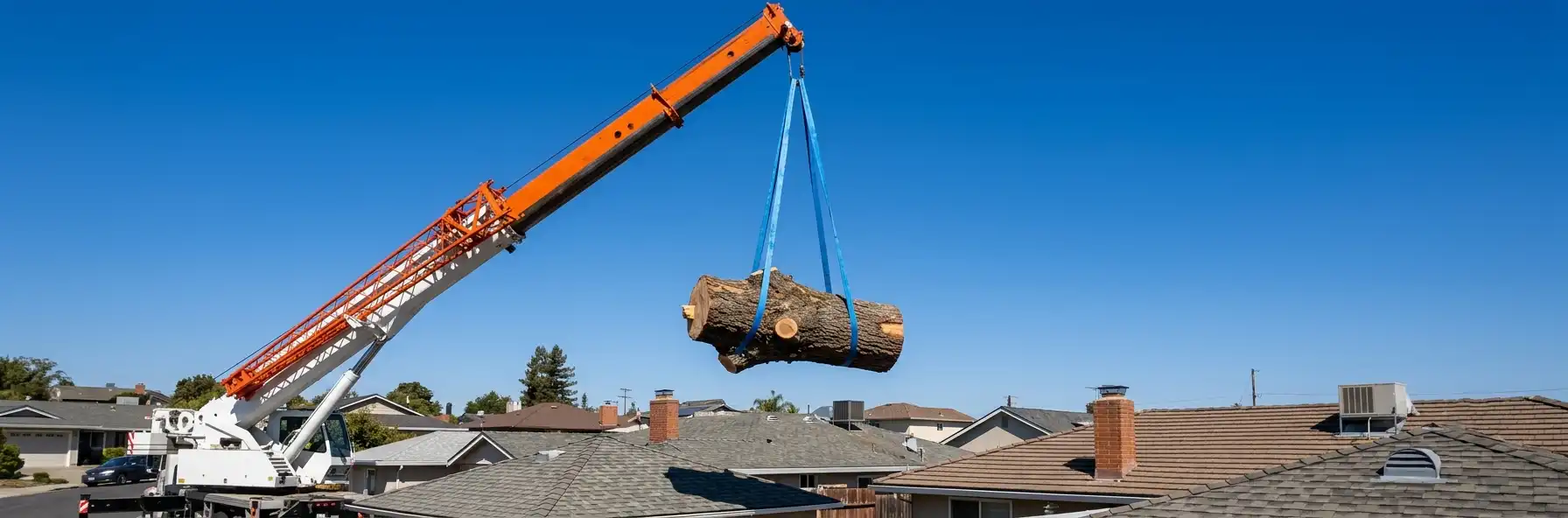
The plate, the roots, and the spoil all leave on our trucks. Nothing is buried at the back of the property.
A ground stump looks finished. Underneath, the root plate is still there — and it will settle, rot, and sink whatever you build on top of it.
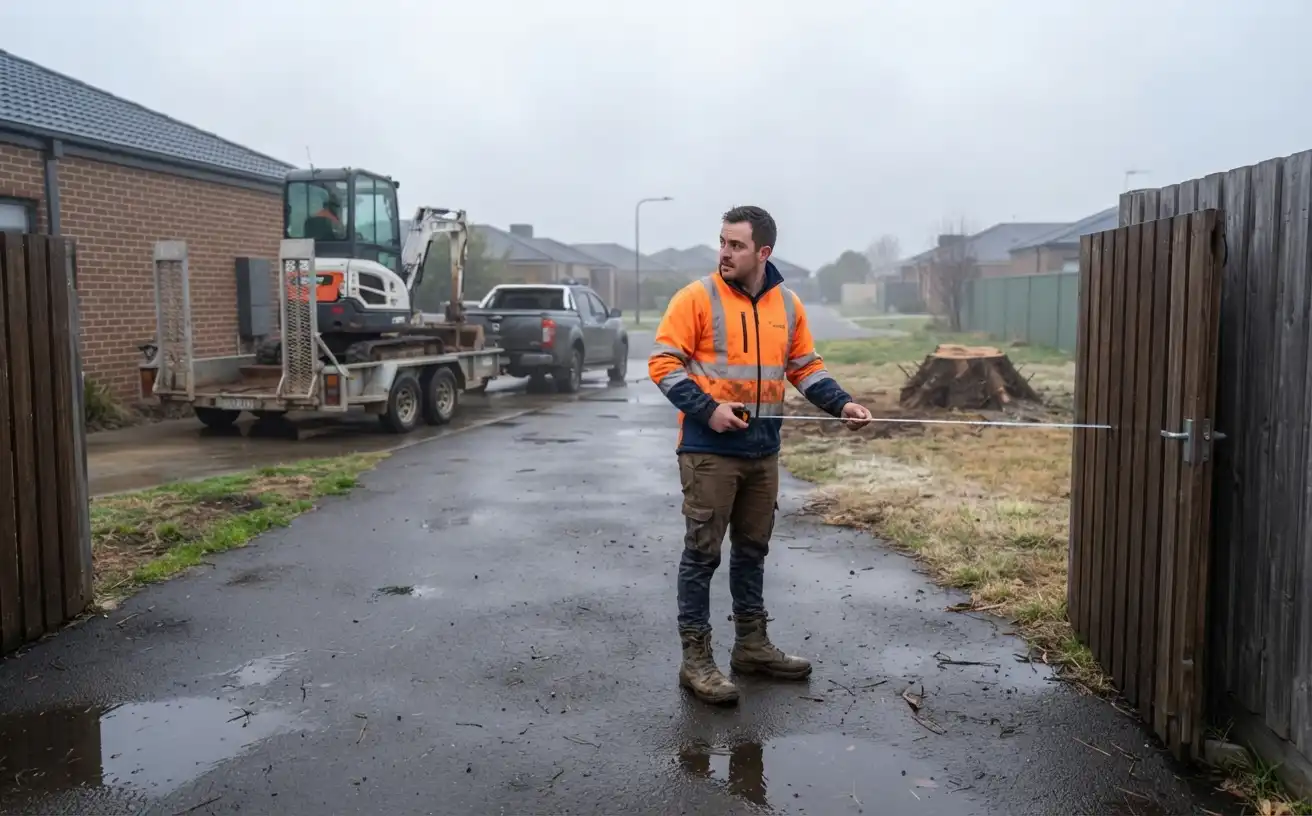
We measure the plate and the route in. Whether a machine can reach it decides the method and most of the cost.
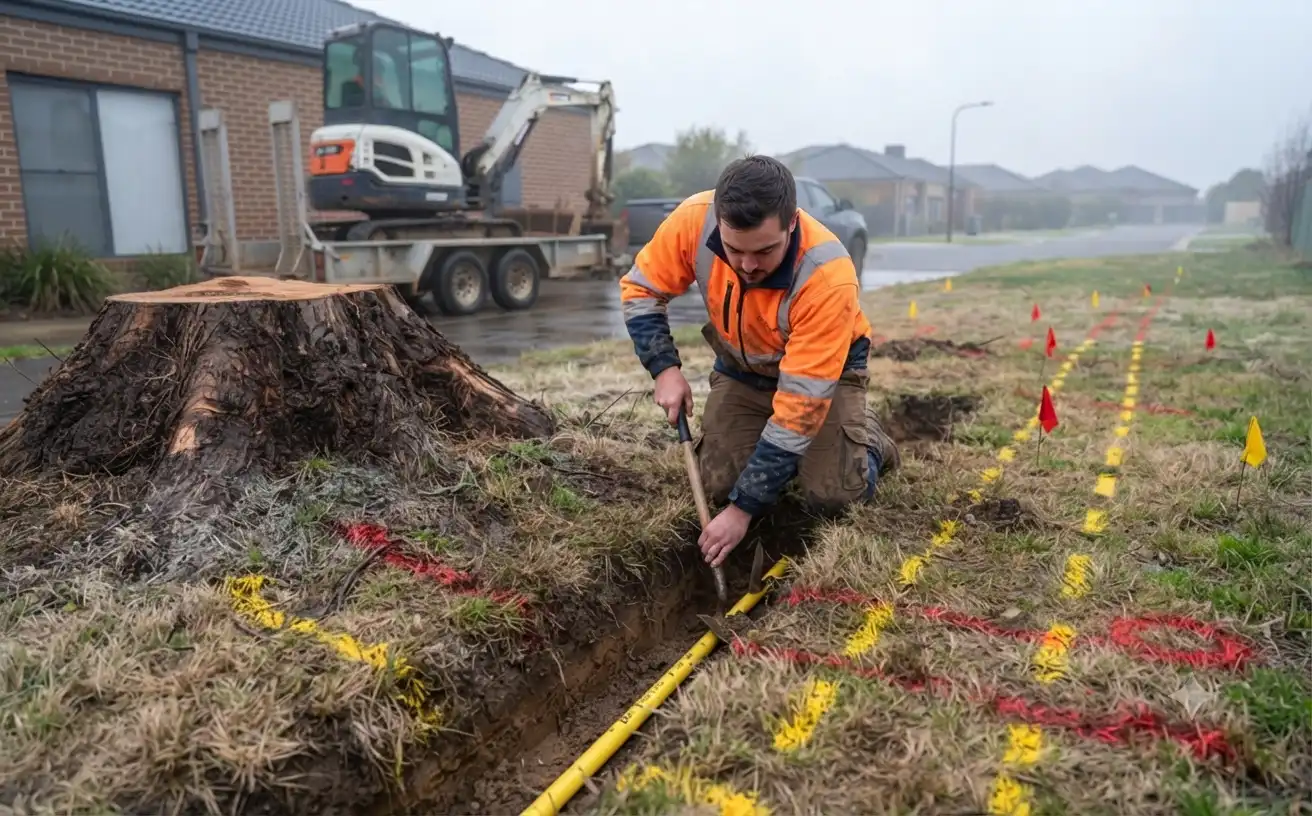
Gas, water, electric, and irrigation are marked, then hand dug clear before any bucket goes in the ground.
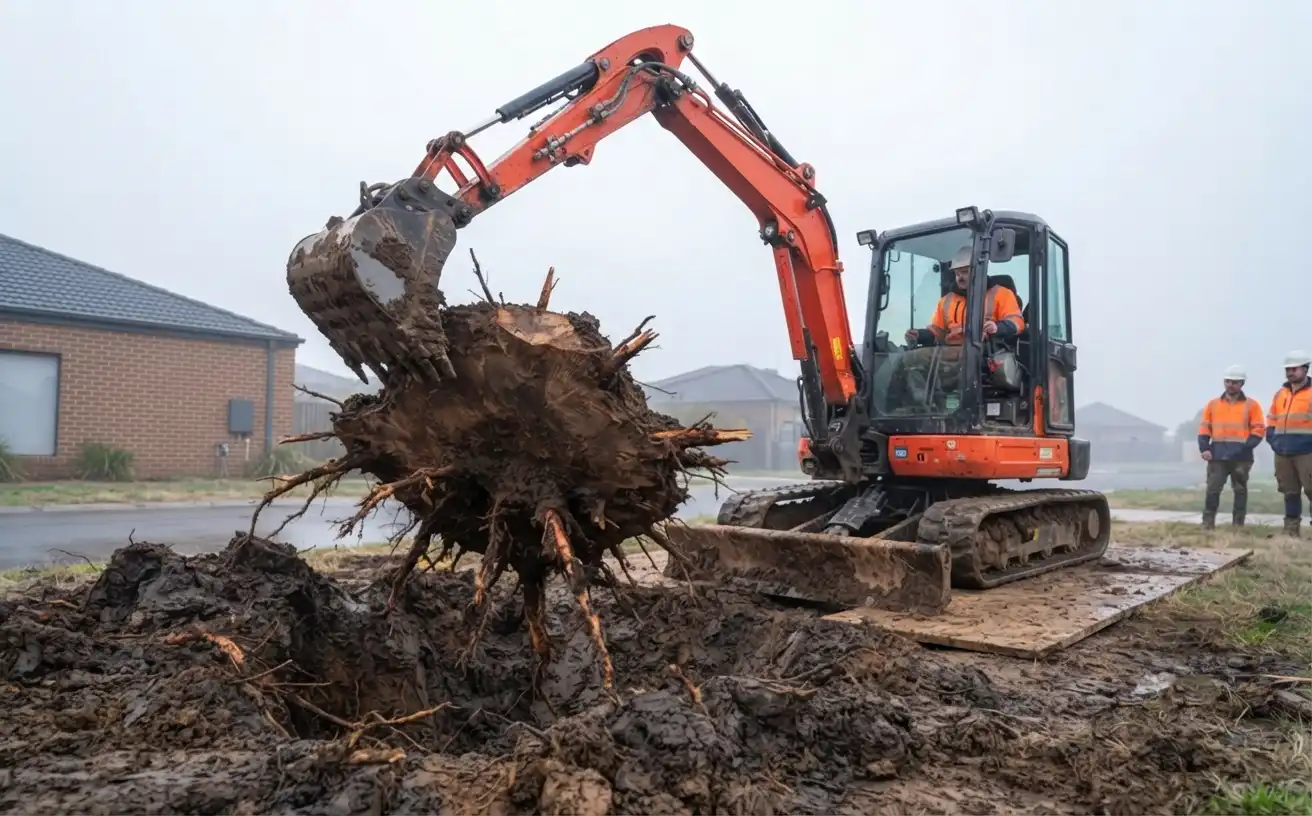
Roots cut at the trench line and the plate lifted out — by machine where it fits, by crew and shovel where it does not.
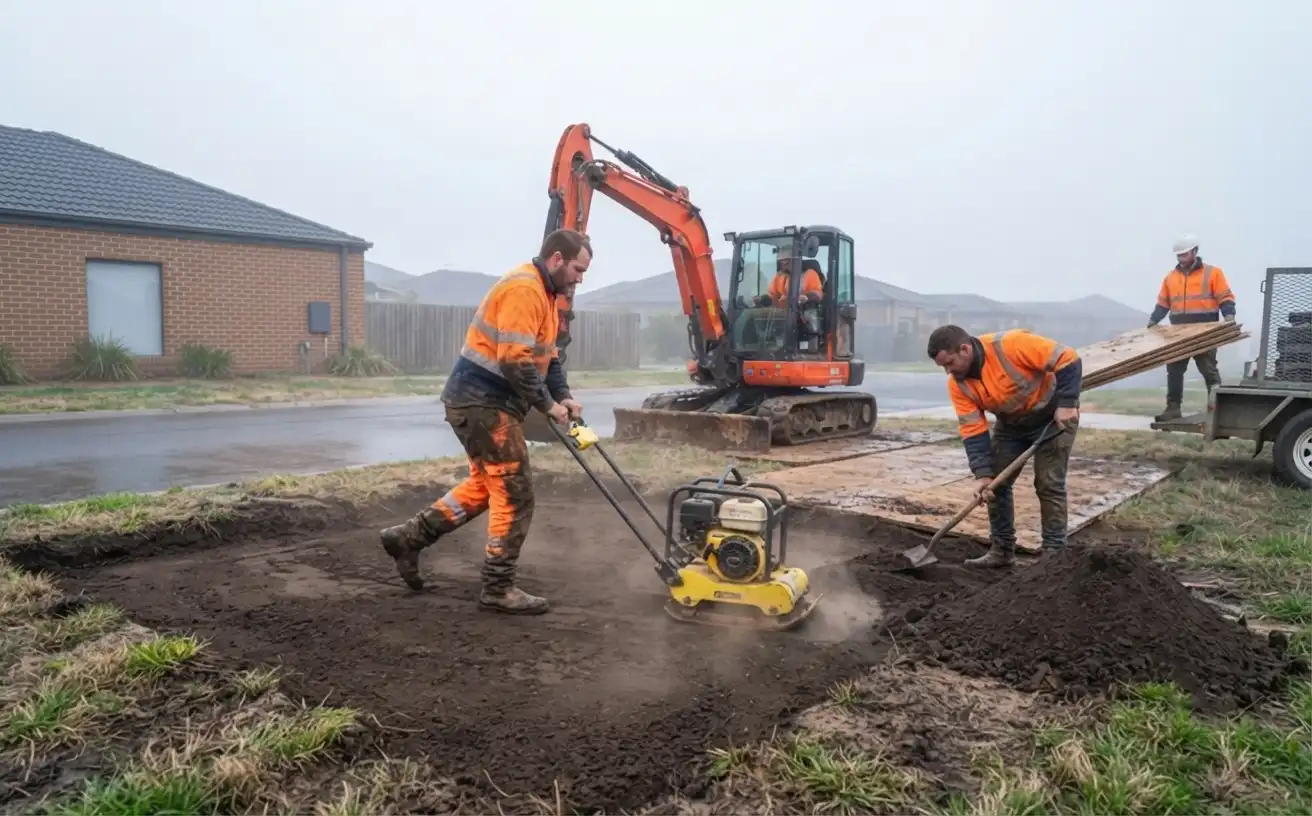
Clean fill in layers, compacted to grade, topsoil over it, and the access route made good behind us.
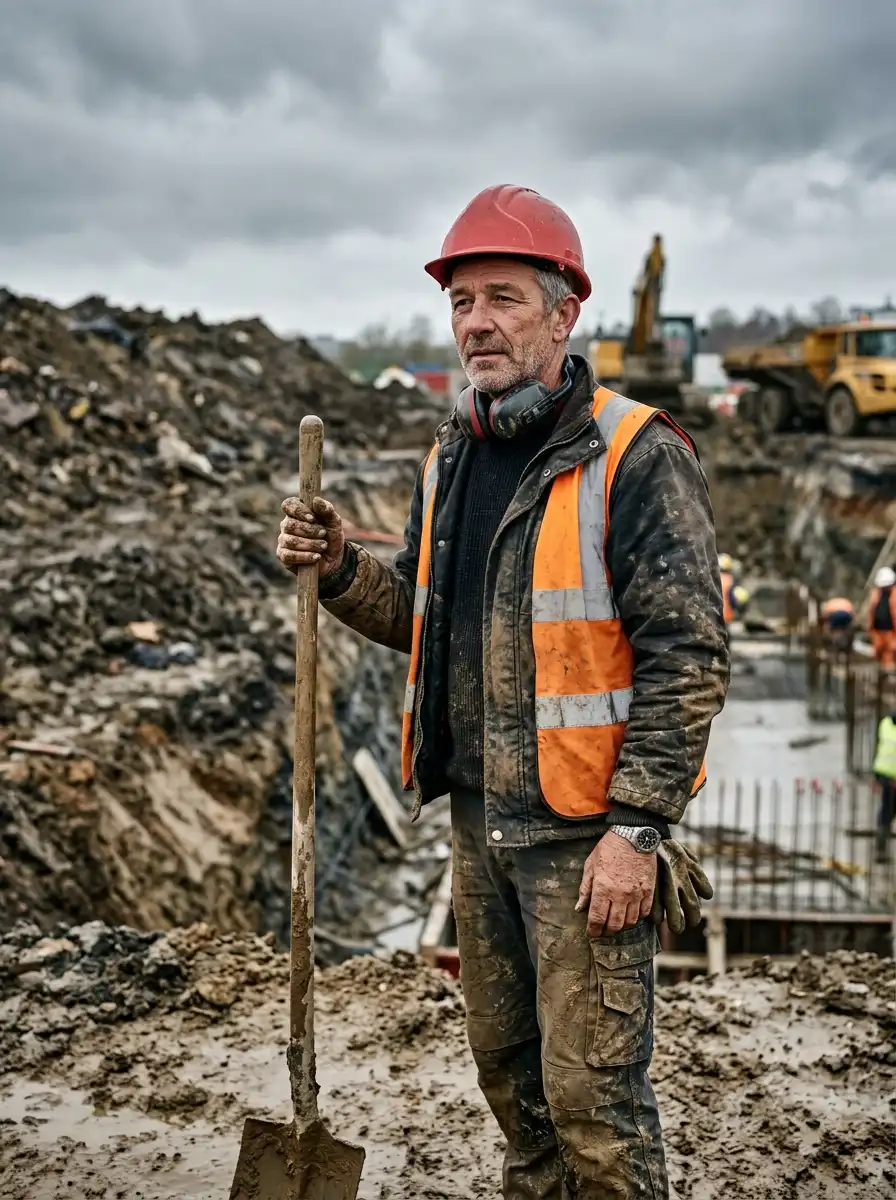
Excavation costs more. If a grind does the job for what you are planning, that is what we will quote.
Every utility is marked and hand exposed. A bucket has never found a gas line on our sites.
Compact tracked excavators for gardens, larger plant for open lots. We match the machine to the gate.
Backfill goes in and gets compacted in layers, so the ground is stable enough to build or pave on.
Track marks raked out, ruts filled, topsoil replaced. The route in gets repaired along with the hole.
Excavations from the last season — the machine jobs, the hand jobs, and the ground put back afterwards.
Three reasons usually. The plate is bigger or deeper than a grinder can reach; the trunk has stone, wire, or old fencing grown into it that would wreck the cutting wheel; or the ground is too rocky and compacted for the machine to work. Anything being built on afterwards is a fourth reason — grinding leaves the roots behind.
Meaningfully more, and the gap is almost entirely about access. A plate a tracked machine can reach and lift is a short job. The same plate in a fenced back garden, beside a foundation, or over a gas line has to come out with shovels and root saws, and that takes a crew most of a day.
Tracked machines spread their weight far better than wheels, and we lay matting on the route in where the ground is soft. Some marking is unavoidable on a full excavation, so reinstating the access route is part of the quoted price — ruts filled, ground raked, topsoil replaced.
It gets backfilled with clean fill in layers and compacted as it goes, then topped with soil and brought to grade. Tipping it full in one go leaves it to settle for a year, which is exactly the problem you paid to avoid. Tell us if you are paving or building and we will compact it to suit.
Send a photo of the stump and the way in. We will tell you straight whether it needs excavating or whether a grind will do.